Heat Pumps
✔ €12,500 in grants available
✔ More efficient than oil or gas
✔ 100% of your heat and water
✔ 7-year guarantee

✔ €12,500 in grants available
✔ More efficient than oil or gas
✔ 100% of your heat and water
✔ 7-year guarantee
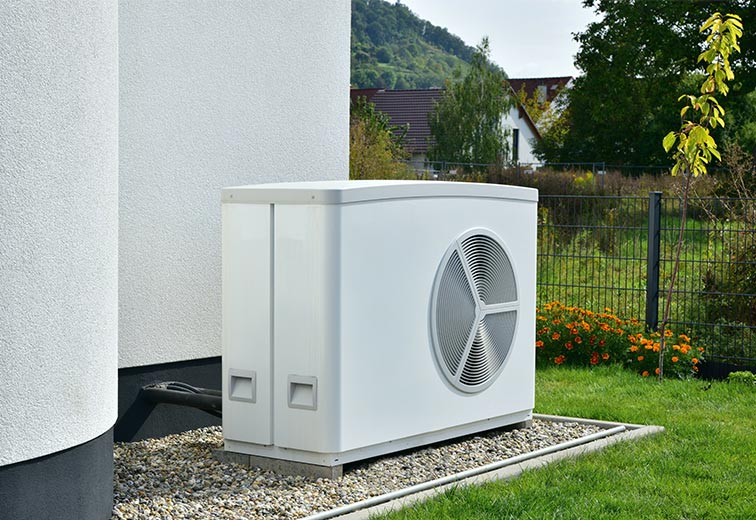
Enjoy peace of mind with our 7 year warranty. Our Mitsubishi Heat Pump is installed by qualified and highly trained SEAI-registered installers.
Unlock up to €12,500 with the SEAI Grant, managed entirely by Electric Ireland Superhomes. We handle it all, so you can relax and enjoy the benefits!
An air‑to‑water heat pump is highly efficient, delivering three to four times more heat than the electricity it uses. It cuts energy costs and emissions by using renewable heat from the air.
If your home is well insulated and meets modern efficiency standards (typically homes built or upgraded within the last 15 years), you may qualify for a straightforward Heat Pump-only upgrade.

Enjoy reliable and comfortable heating, even in colder weather. Save money by using less energy compared to oil and gas. Lower emissions for a greener planet.
Learn more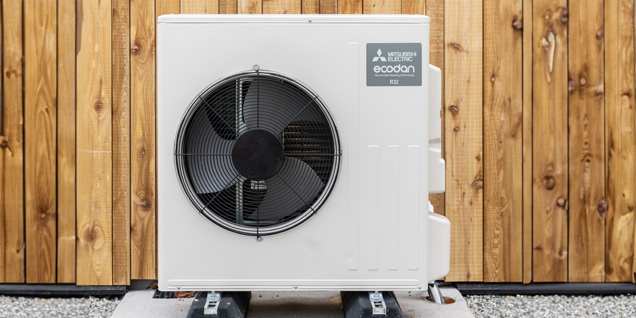
Electric Ireland provides you with sustainable, cost-effective solutions. Our Heat Pump systems are designed to keep your home warm while reducing your energy bills.
Free quote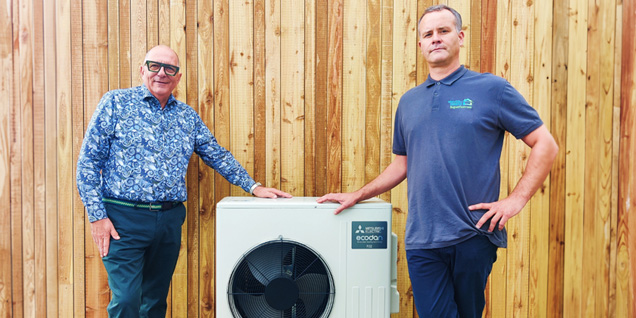
Complete the short form to start your free quote with Electric Ireland Superhomes. We’ll take care of the rest and guide you through available grants.
Enquire nowOur experienced engineer will visit your home: carry out a full survey, design your heat pump system and finalise your quotation. We can also manage your BER and SEAI grant process.
We’ll schedule a time to suit you.
Our team of certified installers will complete your heat pump installation - so you can start enjoying the benefits.
Take advantage of Government Heat Pump grants of up to €12,500 through the Sustainable Energy Authority of Ireland (SEAI).
Making it more affordable to switch to an eco-friendly heating solution.

Exclusive Smart meter plan to maximise your savings. After your installation, we’ll reach out to ensure you’re on our Night Boost price plan.
Get Night Boost
Contact us today to learn more about our Heat Pump offering and how we can help you achieve a warmer, greener home.
Enquire now
Heat pumps are more costly than conventional fossil fuel boilers to purchase. However, homeowners who adopt this low carbon alternative can avail of grants to offset the additional cost. The SEAI currently offer a grant of €12,500 towards the cost of installing a heat pump. These grants reduce the overall cost of installation.
Air source heat pump installations usually cost between €12,500 and €16,000, depending on the size and power of the heat pump, how much hot water storage you require and whether you want the heat pump to be controllable over the internet. Ground source systems range from €12,500 to €23,500, again depending on the size of heat pump, hot water cylinder and ground loop system. Because each home is unique, the installed cost of a heat pump is different for each home and will depend on the size and type of heat pump and the position of the outdoor compressor unit.
Savings vary depending on your current heating system and energy usage, but many customers see significant reductions in their energy bills.
Yes, heat pumps can be fitted to an existing house. Prior to installation, a full home survey should be carried out by a competent person to ensure the suitability of the house and to identify any additional required insulation measures. In order to get the best performance from heat pumps, it’s recommended that your home is well-insulated and relatively airtight. For that reason, installation is often done in combination with a fabric retrofit to improve the building’s energy performance. Every home is different. The key to selecting the right heat pump for your home is accurate assessment of the heat that will need to be transferred into your home for heating. This needs to be carried out by experienced and qualified specialists.
SEAI also offer insulation grants to facilitate this. There are also deep retrofit programmes available which help homeowners make the most cost-effective choices to achieve an ‘A’ energy efficiency rating standard.
Our engineers have completed training with heat pump manufacturers and maintain contact throughout the job to assure the best quality is achieved.
We're registered with the Sustainable Energy Authority of Ireland (SEAI) for grant purposes. This means that our customers can avail of SEAI grants when installing or upgrading their heat pump system.
To ensure that you are getting the best out of your heat pump you should service the unit annually by a trained professional, the manufactures website will be able to guide you to recommended technician. Heat Pumps should last for 15 - 20 years and generally come with a 3 - 7 year warranty.
A heat pump system will benefit from annual servicing to ensure that all the mechanical connections are sound, settings are at their optimum and that the heat collector is working properly. Regular professional servicing may also be required to validate extended warranties, this varies from manufacture to manufacture. Depending on the make and model of heat pump you may be able to complete some of the filter cleaning activities to ensure your heat pump continues to perform efficiently.
A heat pump is a machine that extracts heat from one place and transfers it to another. The heat pump is not a new technology; it has been used in fridges since the early 1800's. Refrigerators and air conditioners are both common examples of heat pumps. Heat pumps transfer heat by circulating a substance called a refrigerant through a cycle of alternating evaporation and condensation. A compressor pumps the refrigerant between two heat exchangers. In one heat exchanger, the evaporator, the refrigerant is evaporated at low pressure and absorbs heat from its surroundings. The refrigerant is then compressed en-route to the second heat exchanger, the condenser, where it condenses at high pressure. At this point, it releases the free heat it absorbed earlier in the cycle. The heat from the fluid is transferred to the water in your heating system, including radiators and underfloor heating, as well as your hot water tank.
Home Electric+ Night Boost is a smart meter plan that is best for a Heat Pump home, it allows you to take advantage of cheaper nighttime rates to run your Heat Pump, as well as monitor and optimise your energy usage in real-time, helping you save money and reduce waste.
Yes, Solar PV and Solar Thermal Systems can be integrated to work with your heat pump system depending on the make and model of your heat pump.
During a power cut, gas boilers, oil boilers and heat pumps will stop working because they all rely on electricity to operate their controls and pumps. This means that without power, they can’t circulate water or generate heat for your home.
Find answers to the most common heat pump questions, including how your system works, everyday operating tips, troubleshooting guidance, and ways to improve efficiency and comfort.