Latest News
13 August 2026
Solar PV for your home: What you need to know before you install solar PV
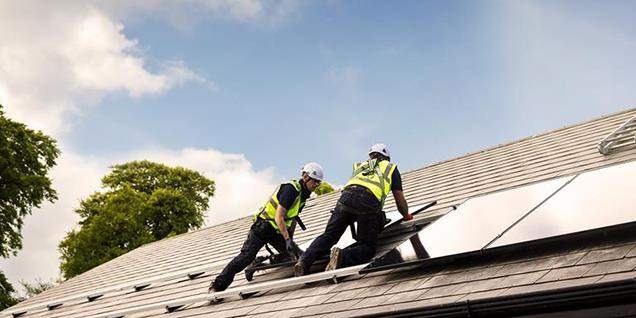
THOUSANDS OF HOMEOWNERS ACROSS IRELAND ARE REDUCING THIER ELECTRICITY BILLS WITH SOLAR PANELS.
Thinking about switching to solar energy? You're not alone. Thousands of homeowners across Ireland are making the move to solar photovoltaic (PV) systems to reduce energy bills. Here is a checklist of things to look out for and ask any solar PV installer you are considering.
1. Before you start, check if you need planning permission.
In most cases, planning permission is not required for rooftop solar PV installations on Irish homes. However, if your property is a protected structure or located within an Architectural Conservation Area, planning permission may be needed. A good installer should check for this and tell you before any work starts.
2.Get a smart meter installed.
To get paid for exporting excess solar electricity back to the grid, your home must have a smart meter installed. Contact ESB Networks to check when smart meters will be installed in your area if you don't already have one. You can still install solar panels without a smart meter, but you won't receive export payments for unused electricity.
3. Check if they are a Sustainable Energy Authority of Ireland (SEAI) registered installer.
- You can only get the SEAI Solar PV Grant if you use an SEAI-registered installer.
- Only these installers can complete the Declaration of Works form needed for the grant application. Without this form, you cannot receive funding through the SEAI Solar PV Grant Scheme.
- SEAI registration ensures that installers meet strict quality, safety, and energy efficiency standards.
4. Making sure your installer meets recognised standards?
A solar PV system should last over 25 years, so picking a reputable installer is important. Working at a height can be dangerous so make sure they have appropriate International Organisation for Standardisation (ISO) accreditation. Ask about the safety measures and insurance they have in place to protect their workers and your home. Check that all electrical work meets current Irish wiring regulations (IS10101) and is carried out by suitably qualified electricians.
5. Look for a free consultation and quote.
Check if your installer will complete a free online consultation. There you can see what the optimal size solar PV system for your home is. Based on your historical electricity consumption you will also get an idea of what the expected payback period will be.
6. What type of solar panels, inverters and other products do they use?
Check to see what warranties come with different products and if they are compatible with your lifestyle needs.
7. Is the SEAI grant deducted upfront and handle the application for you?
The SEAI solar PV grant offers up to €1,800 off your installation. Getting the grant is deducted upfront lowers the cost and saves you the hassle of claiming it yourself.
If your installer doesn't apply for the grant, you must apply before work starts or materials are ordered. A good installer will guide you through the correct steps to protect your eligibility.
8. Is a post-installation BER assessment included?
A BER assessment is required after your solar PV system is installed to release the SEAI grant. Check whether this is included in your installation package and whether your installer will organise it for you.
9. Do they submit a NC6 form to ESB Networks on your behalf?
A NC6 form is a Notification of Connection, Category 6 form. The installer should submit this form on your behalf, if you are eligible to receive payment for exporting solar electricity. The payment for selling electricity back to the national grid from renewables is called a microgeneration feed-in tariff. Electric Ireland currently offers 19.5 cent per kilowatt hour (c/kWh). That means for every 1 kWh you sell back to the grid you will get paid €0.195.
10. Are there any extra costs or restrictions for different types of roofs or houses?
If you live in a listed building or have a slate roof there may be restrictions or additional costs associated with this. Homes with older roofs may need to be tested for asbestos. Make sure your installer knows this before issuing you a quote.
11. Who owns the system and what warranties apply?
Make sure you understand who owns the solar PV system and how long product and workmanship warranties last. It's also worth checking what support is available if your installer is no longer in business. Ask whether system monitoring is included so you can track performance over time.
12. What maintenance is required after installation?
In general, solar PV systems require minimal maintenance. It is still important to understand what checks, monitoring, or servicing may be recommended and whether aftercare support is included.
13. Think about your own lifestyle and electricity needs.
There are a lot of products you can add to your solar PV system depending on your lifestyle. Check if your electricity supplier offers energy insights. If you're an Electric Ireland customer, you can access smart meter insights by switching to a smart plan. This should give you enough information to see if a hot water diverter or a storage battery would suit you.
A hot water diverter uses extra solar power to heat your water, giving you hot water at no extra cost. A solar battery works well if you are normally away during the day and have a Night Boost electricity plan. The battery stores excess solar energy for use during peak evening hours. You can also charge the battery overnight using lower electricity rates. This stored energy can then help power your home the next morning.
Why Choose Electric Ireland for Your Solar PV Installation?
Personalised consultation and expert advice
Every customer receives a personalised consultation to ensure the system is tailored to your home and energy needs.
Triple ISO Accredited Installers
Every installation is carried out by certified professionals who meet the highest international standards for quality, safety, and environmental management.
SEAI Registered Installers Guaranteed
We only work with SEAI-approved installers, ensuring your system qualifies for the Solar Electricity Grant.
Grant Deducted Upfront
No waiting around, Electric Ireland deducts the value of your SEAI grant from your upfront costs. The grant is released after a post-installation BER assessment, but we handle the paperwork, so you don’t have to.
Interested in Solar PV for your home? Find out more on Electric Ireland’s solar page or get a quote today.